
We are UNIR in Haití
The Itinerant University of Resistance in Haiti (UNIR-Haiti) is a space for training, articulation, and collective action that supports the work of grassroots social organizations fighting for the defense of life and territory against the threats of mega-projects.
UNIR emerges as a political and pedagogical commitment to strengthen local organizing processes, promote the exchange of knowledge, and articulate struggles between Haiti and other territories of Abya Yala (the Americas).
We foster spaces for meeting, reflection, and action, from a community-based, anti-colonial perspective rooted in the territory. This work seeks to build structural and local strategies and alternatives—political, economic, and cultural—for the protection of lands, communities, agriculture, and nature.
UNIR is composed of individuals, organizations, and collectives committed to social, environmental, and territorial justice, who believe in popular education, collective action, and solidarity among peoples as paths to transformation.
Our History
UNIR emerged from the need to get to know and learn from Haiti. In the process of this approach, we became witnesses to the isolation that Haitian people face. This isolation has been deeply rooted in history, culture, geography, and language. Consequently, Haitian social organizations struggle to access educational materials for countering mining and strengthening women’s empowerment in the defense of Mother Earth, and they often find themselves excluded from international movements and networks.
UNIR’s journey has been full of challenges, multiple imaginable obstacles have crossed our path. However, in 2019, we managed to consolidate our work. We now share knowledge, carry out international exchanges, teach Spanish classes as articulation tools for the defense of the territory, create teaching materials and above all we are learning and building together Haitian organizations.

Our Values
Life as the Center
Defending life is the core purpose of our work. We recognize that human existence is deeply linked to nature and that no justice is possible if this relationship is broken. Educating and organizing ourselves is also a way to care for life.
Defense of Territory
Territory is not a resource: it is history, memory, and possibility for the future. We stand with communities resisting extractive projects and support collective processes for the defense of land, water, and dignity.
Women in Collective Construction
Women build knowledge, organization, and resistance from their daily experience. We recognize their struggles as living knowledge and support processes that strengthen their autonomy, their voice, and their participation in the transformation of community and territorial life.
Community, Dialogue, and Collective Action
We believe in education as a practice of freedom. We are committed to dialogue, community organizing, and collective action as ways for peoples to recognize themselves as subjects of their own history and transformation.
Why Haiti?
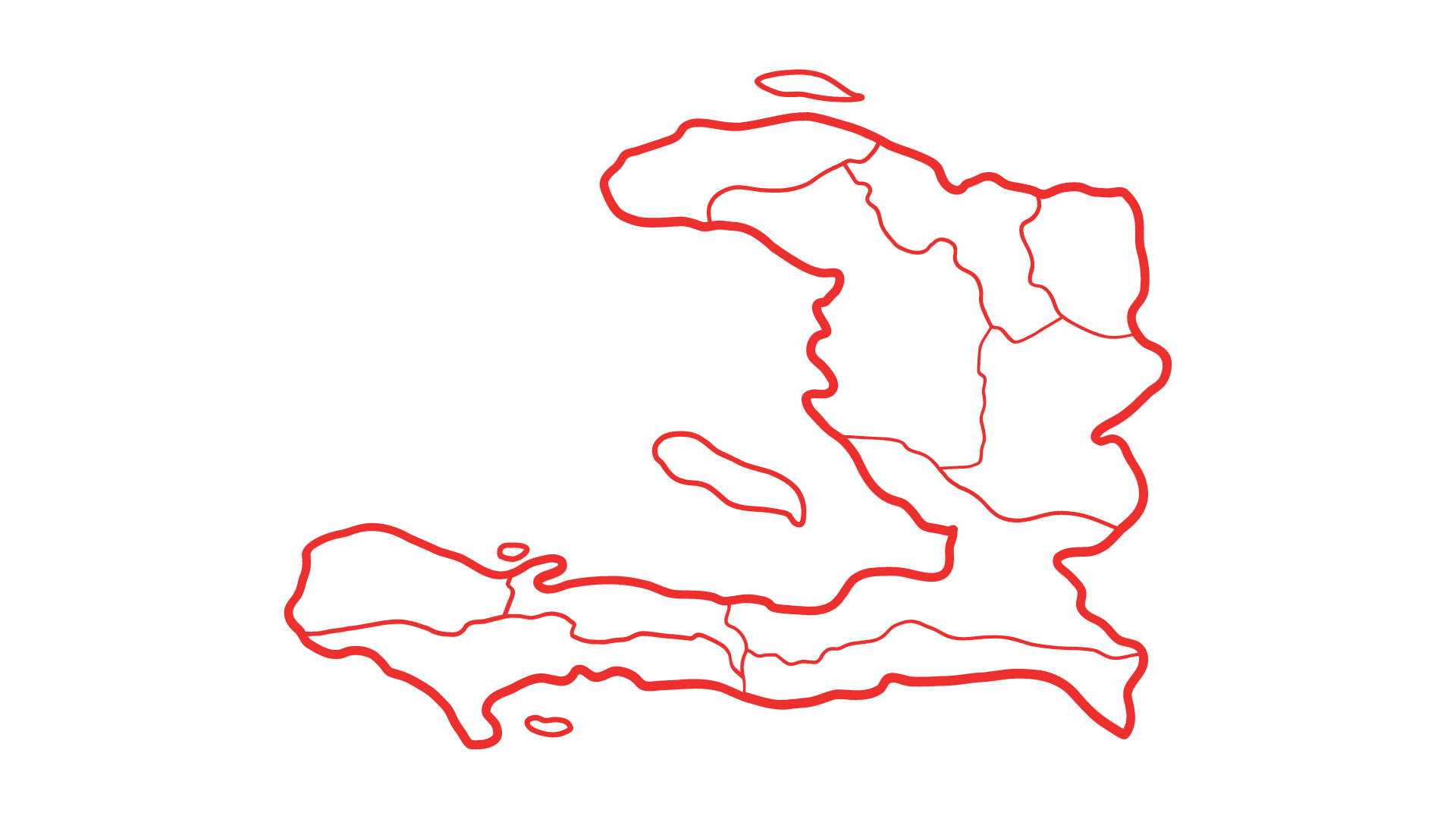
In a world facing challenges to achieve peace, popular sovereignty, and respect for Mother Earth, it is imperative that we unite our voices and defend our territories against mega-projects. To achieve this, it is essential for the peoples of Abya Yala to strengthen their articulation and remember their history.
Haiti today needs our solidarity more than ever, and in turn, the rest of Abya Yala needs to remember that Haiti was the first independent country in Latin America, the first identity Revolution of the 18th century. This event questioned the world order imposed by the great powers. The Haitian Revolution demanded its right to exist and raised the possibility of claiming another existence—its own existence.
The defense of life and our own existence begins with the defense of our territory.