Spanish, culture, and resistance in UNIR’s program in Haiti, in collaboration with the Colectivo Latinoafricano
The first time was a bit wild.
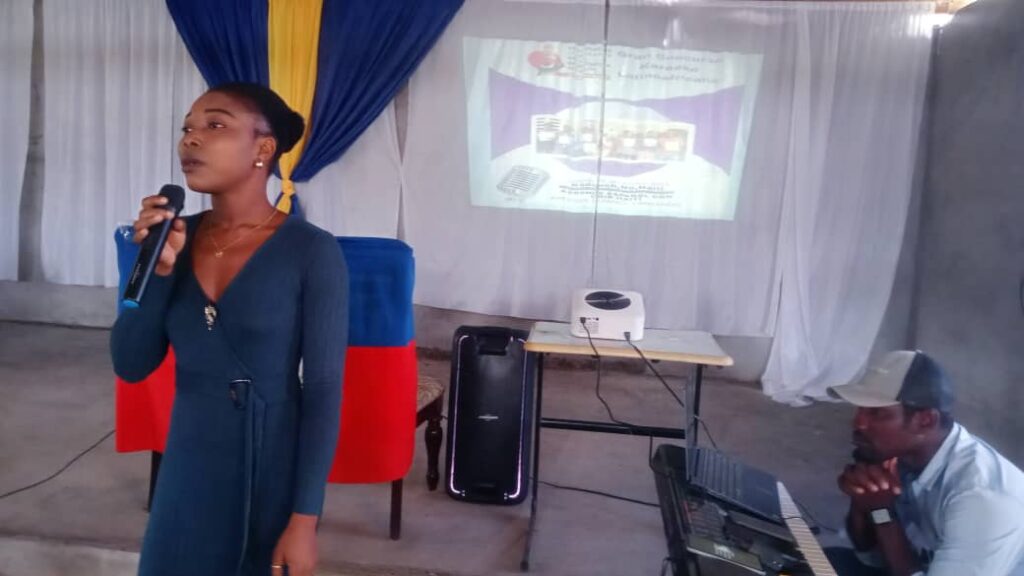
In the mountains of Kap Wouj, a 16-year-old girl took the microphone and began to sing Mariposita, one of the songs from our Latin-African songbook. It wasn’t just a performance—it was a moment full of emotion, nerves, and pride.
Seeing someone so young sing in Spanish in that context was not something obvious. It was the result of a process, of collective practice, of a kind of learning that goes beyond words.
That’s when we understood, once again, that learning a language can also be a living experience.
A program that turns Spanish into a bridge
The Spanish program of the Colectivo Latinoafricano and UNIR in Haiti was created with a clear purpose: to make Spanish a tool for connection.
A bridge between social movements, between histories, between cultures.
We work with Haitian participants who are interested in learning more about the history, music, and struggles of Abya Yala—not only to learn a language, but to inhabit it, share it, and make it their own.
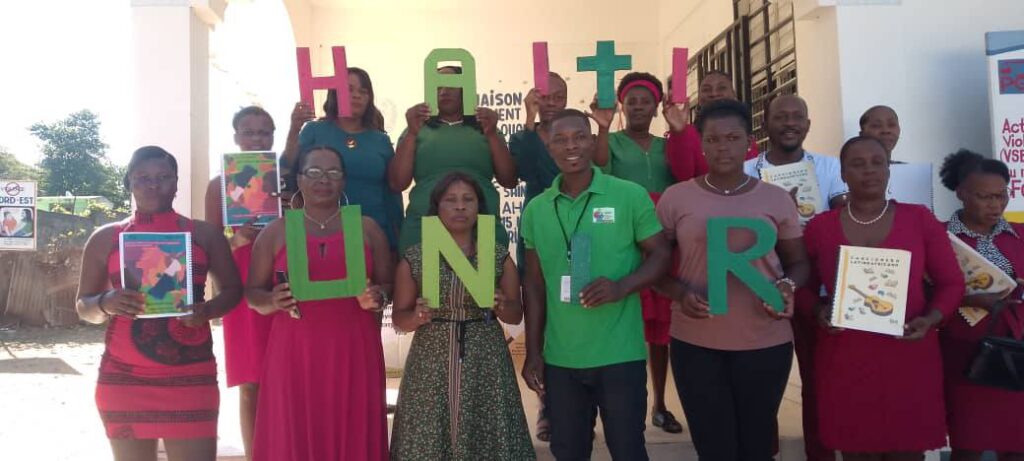
This process takes place across different territories in the north of the country: through in-person courses in communities such as Ouanaminthe, Carice, Cap-Haïtien, Kadouch, and Terrier Rouge. We also work with students in our self-guided course, alongside an online space that expands opportunities for participation.
The Latin-African songbook: a living tool
Our methodology is grounded in popular education and in the use of our own materials.
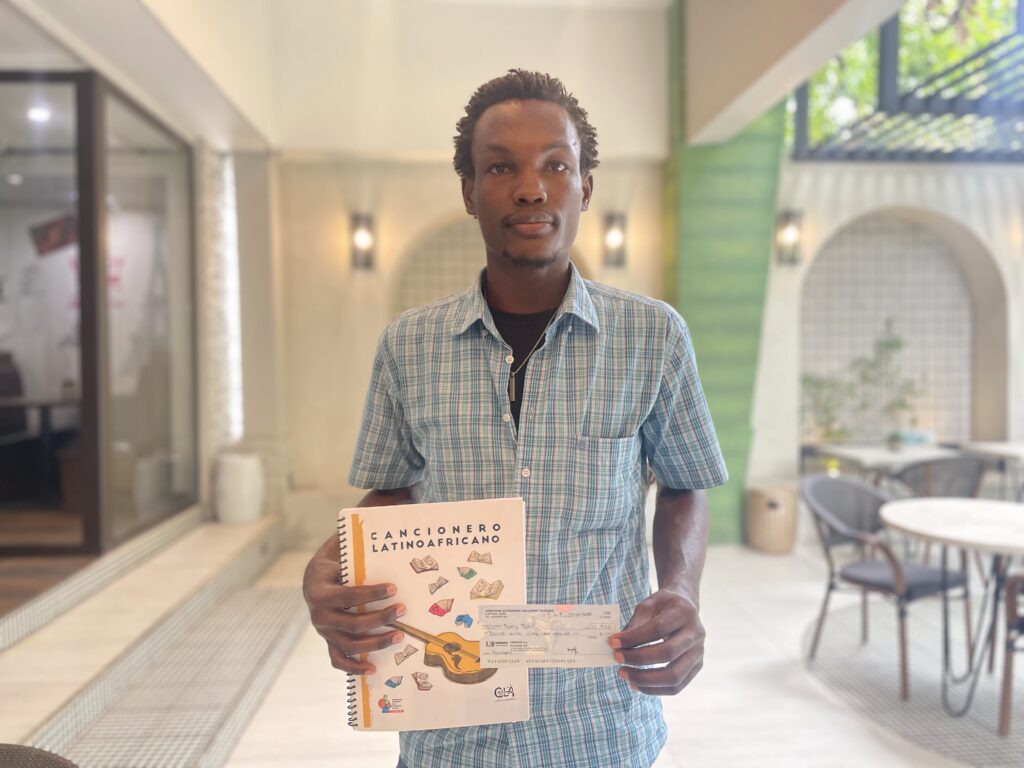
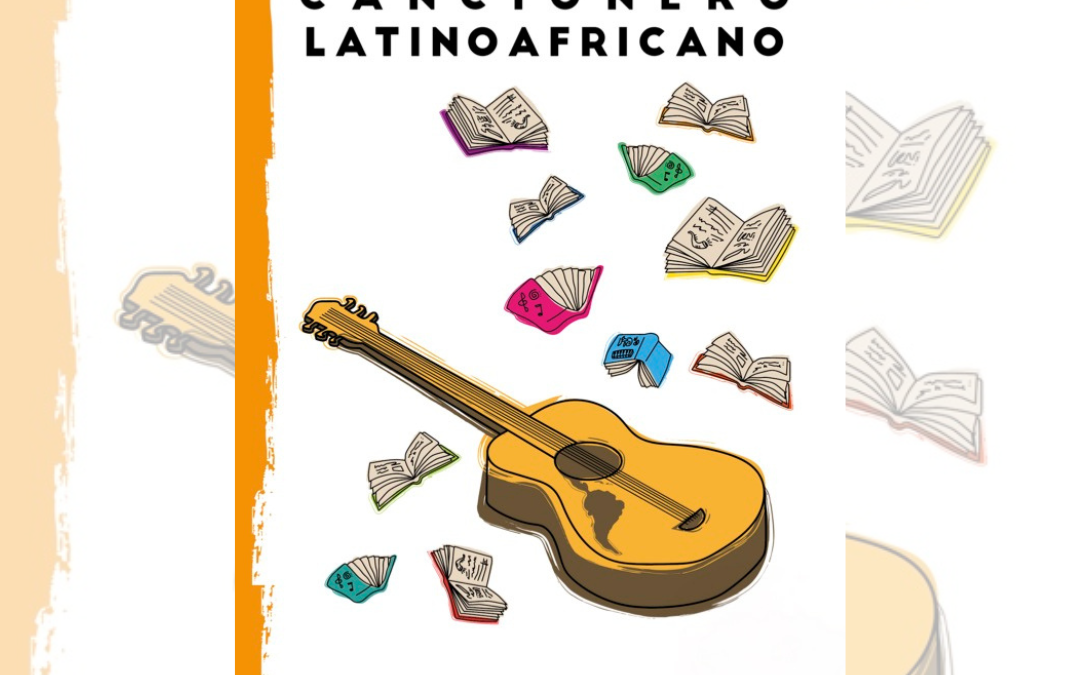
Among them, the Latin-African songbook plays a central role. It is a curated selection of songs representing diverse rhythms and territories of Abya Yala: traditional music, contemporary proposals, love songs, and also songs of resistance and protest.
When singing became learning: the birth of the karaokes
It was from this songbook that the karaokes began to emerge.
Not as a planned activity, but as something that grew organically in everyday practice—when students started singing during learning spaces.
Little by little, this practice became something bigger: a way to take ownership of the language, to lose fear, and to share with others.
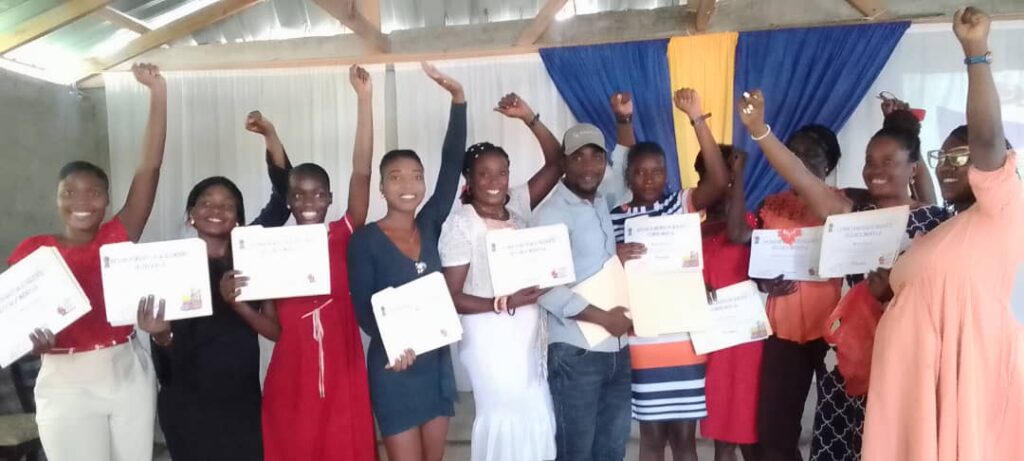
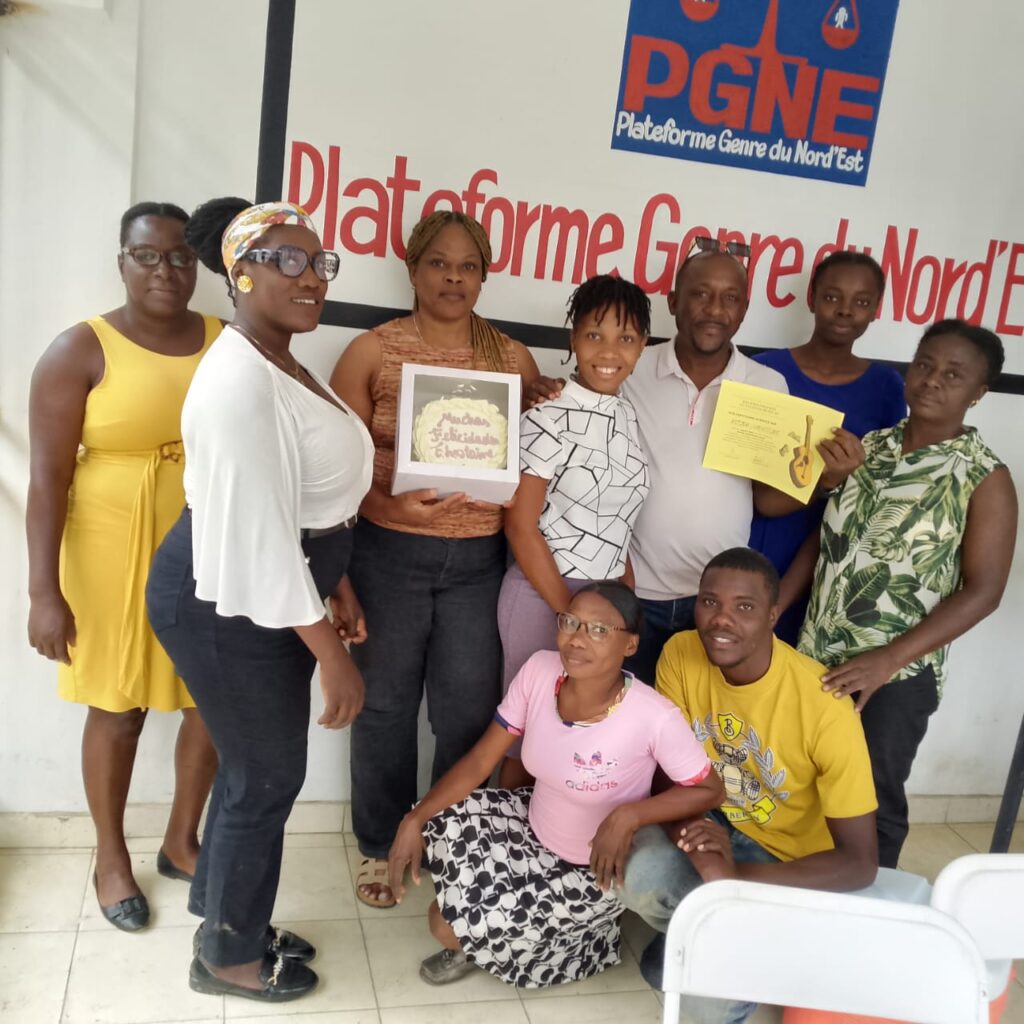
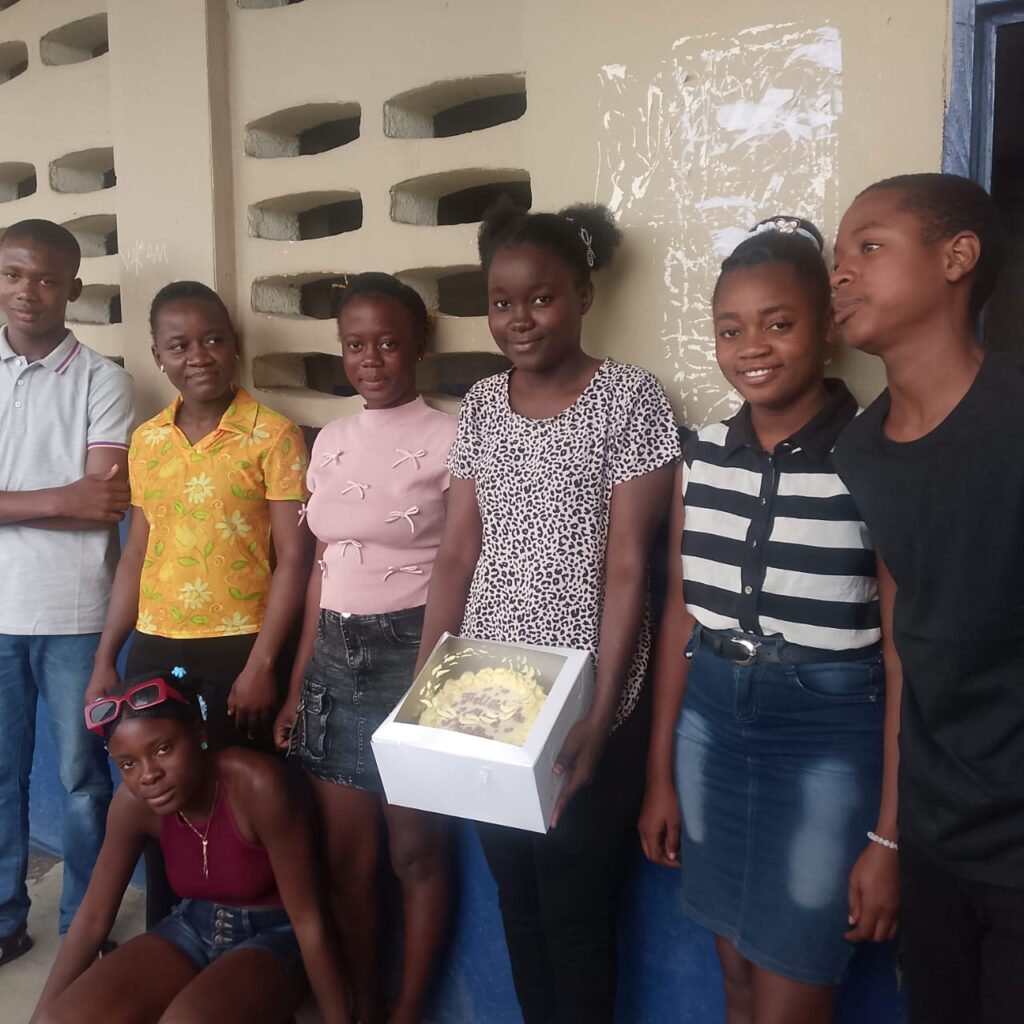
We have organized karaoke gatherings in different communities, as well as one online edition. In these spaces, students choose a song from the songbook and perform it in front of their community. There is a jury that considers language use and performance, but what matters most does not happen in the final assessment.
It happens in the atmosphere, in the laughter, in the nerves, in the collective support, in the emotion of singing in another language and feeling that this language is also becoming their own.
In the most recent karaoke, the prize was one year’s school tuition for the winners. But the real reward was something else: confidence, voice, and the possibility of expressing themselves without fear.
Join the process
What began as an everyday practice has become a growing collective process.
That is why we are opening the call for our 2026 Spanish course in an online self-guided format, designed in a way that more people, from different territories, can learn, share, and be part of this experience.
If the karaokes have taught us anything, it is that language is also built collectively.
And there is always room for one more voice.