
By Paula Companioni
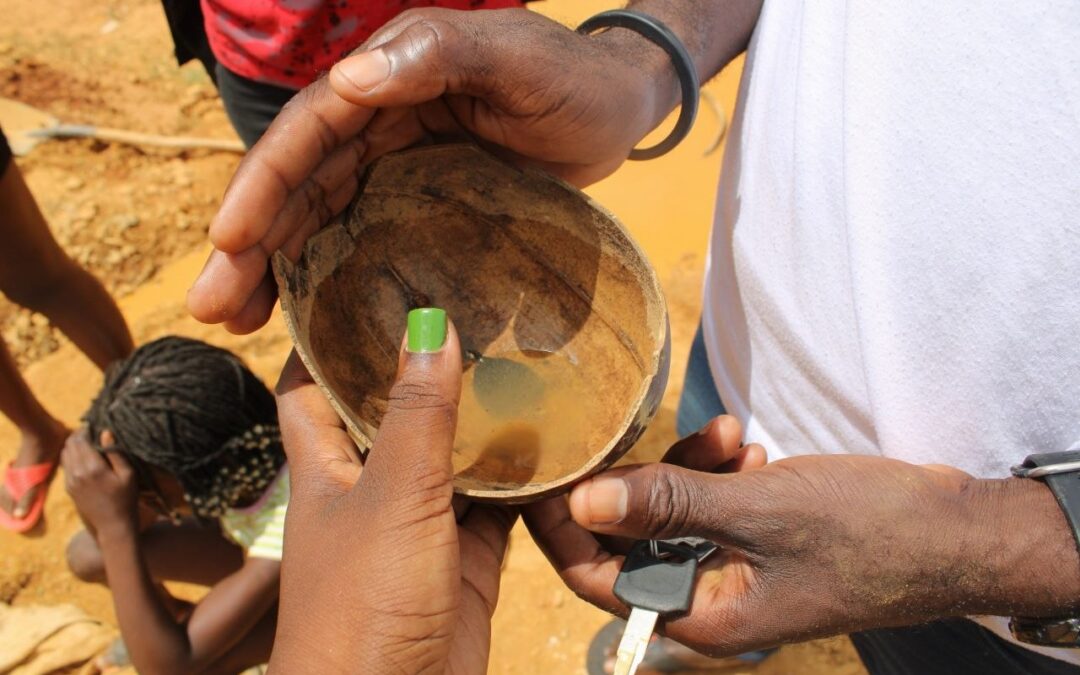
In March this year, without a Parliament and engulfed in a profound institutional crisis, Haiti approved a new mining decree, opening the door to a new phase in the exploitation of the country’s resources. Rather than establishing a robust framework to protect water sources, ecosystems, and peasant economies, the new legislation facilitates, according to various studies and organizations that have examined the sector, the arrival of extractive projects in a territory that has attracted the interest of foreign companies for decades.
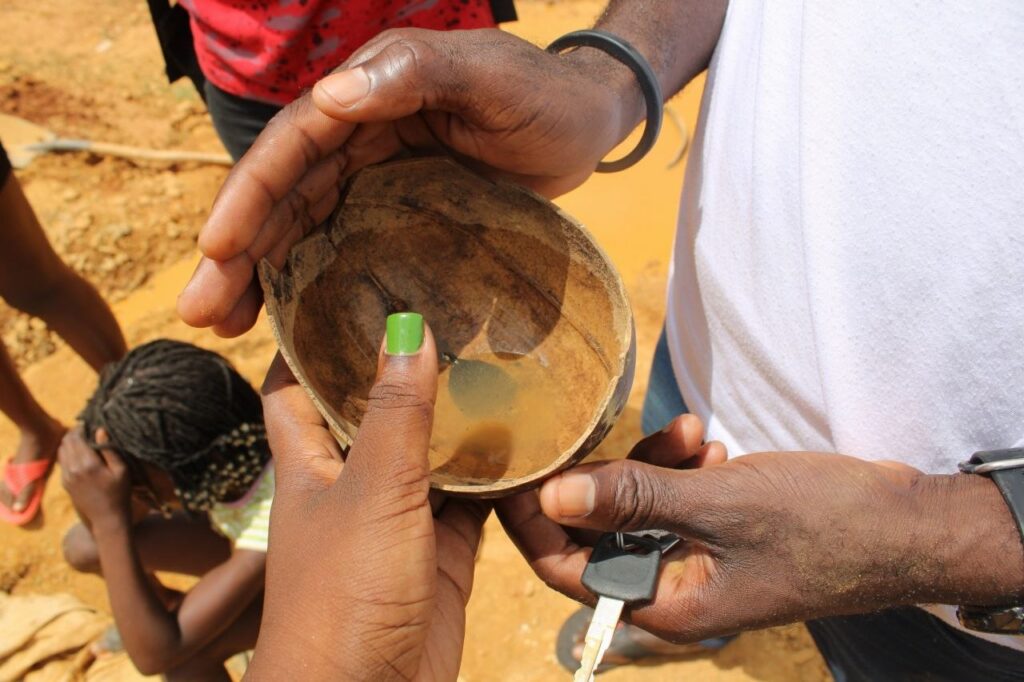
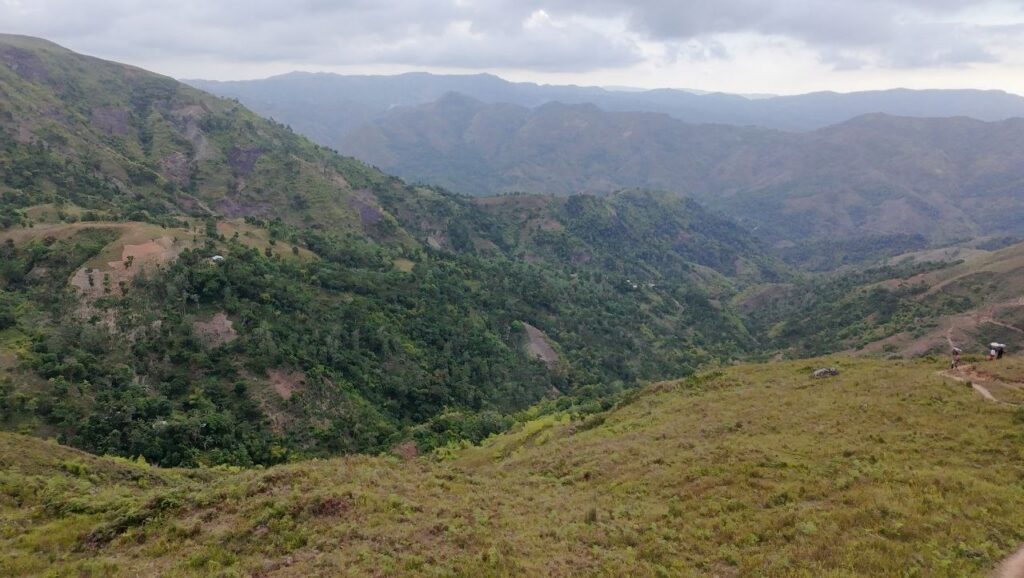
The decree makes an old question urgent again: who wants to exploit Haiti’s minerals, and what interests lie behind this race for the subsoil? The answer leads to the north of the country, particularly to the Massif du Nord, a geological formation containing significant reserves of gold, copper, and silver and extending into the same mineral belt as Pueblo Viejo in the Dominican Republic, one of the largest gold mines in the world. For more than a decade, U.S. and Canadian mining companies have obtained exploration permits covering extensive areas of this territory.
Between 2006 and 2013, the Haitian government granted more than 50 exploration permits to predominantly U.S. and Canadian companies, many of them in the Massif du Nord. The process was marked by allegations of a lack of community consultation and impact assessments. Residents reported that companies such as Newmont entered their lands, collected samples, and promoted agreements that, according to testimonies gathered from the area, were not always fully understood by local farmers. Companies that obtained permits included Eurasian Minerals—now EMX Royalty—Newmont, Majescor Resources, and VCS Mining.
This interest, however, is hardly new. Northern Haiti has a long history of mining exploitation. Under the Duvalier dictatorship, Reynolds Mining Corporation mined bauxite in Miragoâne for 25 years, displacing farmers from extensive areas of land. In his Histoire de l’industrie minière en Haïti, Guy Pierre describes this period as one of “lightning-fast capital accumulation and economic frustration”: profits ultimately flowed to Texas in the United States without translating into local development.
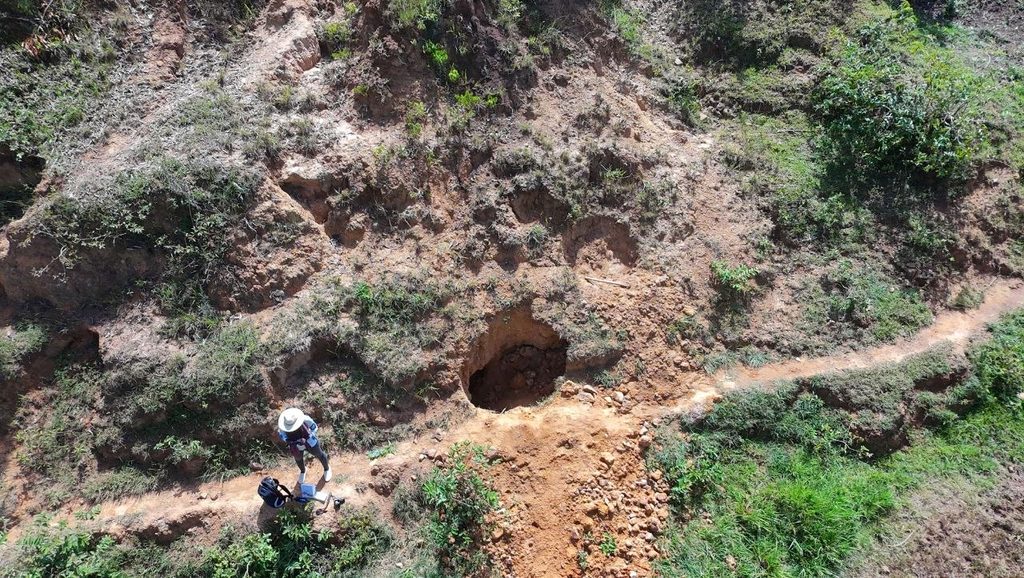
Geological studies of Haiti’s mineral potential are not new either. Research dating back to the 1970s had already identified considerable reserves of gold, copper, and silver in the Massif du Nord. Today, that mineral wealth is acquiring renewed value in a context shaped by the expansion of the technology industry and growing international demand for strategic minerals. In the neighboring Dominican Republic, rare-earth deposits have also been identified in Pedernales, within a geological formation that may extend into southeastern Haiti, particularly toward Belle-Anse and Anse-à-Pitre.
But to understand why this new extractive cycle has become possible, we need to look further back, to the earthquake of January 2010. The disaster left nearly 220,000 people dead, destroyed much of the country’s public infrastructure, and devastated Port-au-Prince. The international community responded with one of the largest humanitarian operations in recent history. Yet as billions of dollars in aid poured into the country, another, less visible process began to unfold: the erosion of the Haitian state’s capacity to lead its own reconstruction.
Research by the Center for Economic and Policy Research (CEPR), the Institute for Justice & Democracy in Haiti (IJDH), anthropologist Mark Schuller, and, more recently, Jake Johnston’s 2024 book Aid State, has documented how a significant share of reconstruction was managed by international agencies, multilateral organizations, and nongovernmental organizations, with limited participation by Haitian institutions. Johnston argues that after the earthquake, Haiti evolved toward a model in which external actors came to manage resources, set priorities, and implement policies. International aid thus ended up deepening a dependency that further reduced the Haitian state’s room for autonomous decision-making.
At the same time, United Nations Security Council Resolutions 1908 and 1927 authorized an increase in MINUSTAH troops and the deployment of additional personnel. Under the rationale of ensuring stability, an international presence was consolidated at the same time that economic interest in northern Haiti was being renewed. Institutional crises, international aid, and security ultimately became part of the same landscape, one in which the Haitian state had increasingly less capacity to direct its own processes.
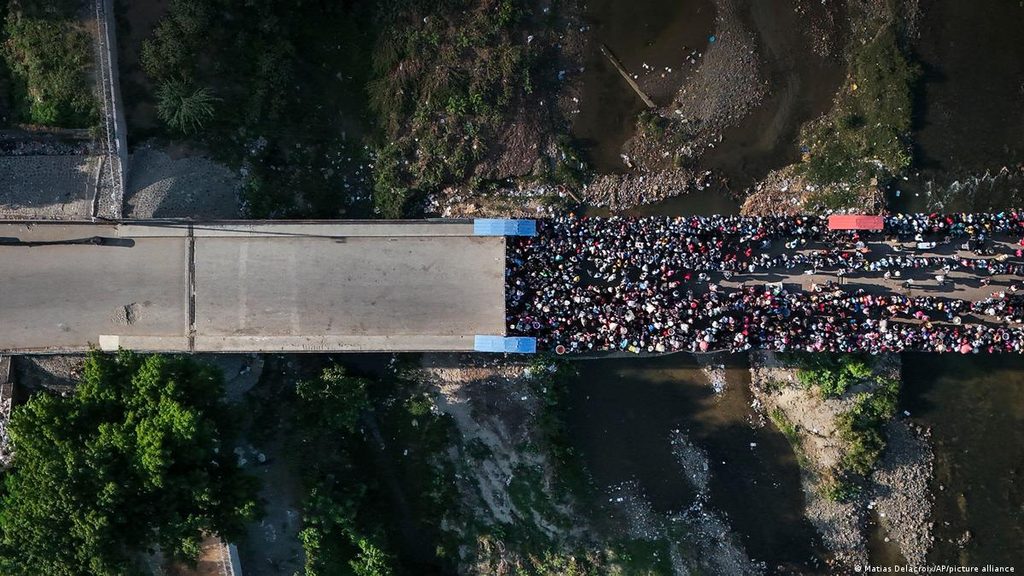
It is at this point that the border takes on particular importance. Between Ouanaminthe, Haiti, and Dajabón, Dominican Republic, hundreds of people cross every day carrying food, clothing, and other goods in an exchange that sustains much of the local economy. Yet behind this everyday movement stands a landscape increasingly marked by walls, military posts, surveillance cameras, and reinforced migration controls.
Just a few kilometers away lie some of the territories of greatest interest to the mining industry. In this area, trade corridors, logistics infrastructure, energy investments, digital surveillance systems, and the progressive strengthening of military and police mechanisms associated with migration control all converge. Viewed separately, these processes respond to different dynamics. Taken together, however, they reveal the consolidation of a border increasingly coveted by economic, technological, and security interests.
Mining, of course, has its defenders. Companies present these projects as an opportunity to attract foreign investment, create jobs, and increase tax revenues in one of the poorest countries in the hemisphere. But environmental organizations, academics, and social movements warn that mineral wealth does not automatically translate into local development. Latin America’s experience shows that economic benefits are often concentrated in corporations and political elites, while communities are left to bear the environmental and social costs.
The problem is that Haiti enters this new phase with a particularly weak institutional framework. The report Byen Konte, Mal Kalkile? Human Rights and Environmental Risks of Gold Mining in Haiti, by the Center for Human Rights and Global Justice, along with other research, has warned that the country lacks sufficiently robust mechanisms to regulate large-scale mining and protect water sources, ecosystems, and peasant economies. In this context, the new mining decree appears less as a response to these weaknesses than as a means of facilitating the expansion of the extractive industry.
For this reason, reducing the discussion to a dispute between development and environmental protection is insufficient. What is also at stake is who has the power to make decisions about the territory and the resources it contains.
Haitian anthropologist Jemima Pierre has argued that the country lives under a permanent regime of international tutelage that limits its capacity for self-determination. The architecture of international aid ultimately created a system in which external actors assumed functions that historically belonged to the state. Within this system, financial capital, extractive companies, international aid, digital infrastructure, and security apparatuses converge and, without formally replacing the state, increasingly constrain its room for decision-making.
This, ultimately, is the core of the debate reopened by the mining decree. It is not simply a matter of identifying which companies want to extract gold, copper, or rare earths from Haiti. It is about understanding who today possesses the economic, political, and territorial power to decide how these resources will be exploited—and for whose benefit.
As evening falls, when the binational market begins to empty and the last traders cross the bridge between Ouanaminthe and Dajabón, the border once again appears to be merely a place of transit. Yet behind the military checkpoints, surveillance cameras, and constant movement of goods, a much deeper struggle remains. Beneath the mountains that connect Haiti and the Dominican Republic lie not only gold, copper, and rare earths: there is also a battle over a people’s right to decide the future of their own territory. The real struggle is over who will ultimately exercise sovereignty over these resources.
Paula Companioni is a Cuban journalist based in Colombia who collaborates with the Itinerant University of Resistance in Haiti.
This article is the seventh installment in the series “Mining in Haiti: Context, Risks, and Debates,” developed as part of the Territory Defense Program of the Itinerant University of Resistance in Haiti.